


Cary Transmission Maintenance Services
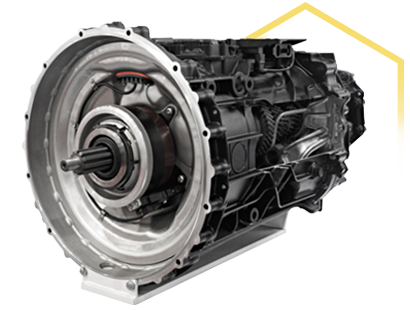
Choose Milex Complete Auto Care – Mr. Transmission of Cary for the Raleigh area’s best transmission maintenance services! Even if you’re cautious and proactive about how you treat your vehicle, it will still experience wear-and-tear as part of the aging process. Although this is totally normal, it can create costly problems if left unaddressed. Because transmission repairs usually involve removing the entire system from the vehicle, repairs on this part of your vehicle can be particularly expensive. Adding regular transmission maintenance to your routine maintenance schedule is an investment in its performance and reliability.
You can rely on our ASE-certified technicians to perform services that keep your vehicle road ready. You’ll enjoy smoother shifting, improved performance, component failure reduction, and increased vehicle longevity for miles to come.
What is Transmission Maintenance?
Your vehicle’s transmission is a lot more complex than you think! It has many different jobs to do, but the most important one is controlling the gear shifts and keeping your vehicle moving. With regular maintenance, you’ll maintain optimal performance, prevent breakdowns, and extend your vehicle’s lifespan.
Our transmission maintenance services include:
- Fluid checks and changes:
- Fluid level inspection: Regularly checking the transmission fluid level is crucial to ensure that it is within the recommended range. Low fluid levels can lead to overheating and inefficient transmission operation.
- Fluid changes: Over time, transmission fluid can degrade and become contaminated. Periodic fluid changes help maintain the quality of the fluid, ensuring proper lubrication and cooling of the transmission components.
- Filter replacement: The transmission fluid passes through a filter that captures impurities and debris. Changing the filter at recommended intervals prevents these particles from circulating within the transmission and causing damage.
- Fluid flushes: Transmission fluid flushes involve removing old fluid and replacing it with new fluid. This process helps eliminate any accumulated debris or contaminants, promoting smoother operation and preventing premature wear.
- Seal inspections: The transmission has seals that prevent fluid leakage. Regular inspections and replacement of damaged seals are essential to prevent fluid loss and maintain the integrity of the transmission.
- Cooler and cooler line maintenance: The transmission cooler and cooler lines help regulate the temperature of the transmission fluid. Checking for leaks or blockages in these components is crucial to prevent overheating and ensure efficient cooling.
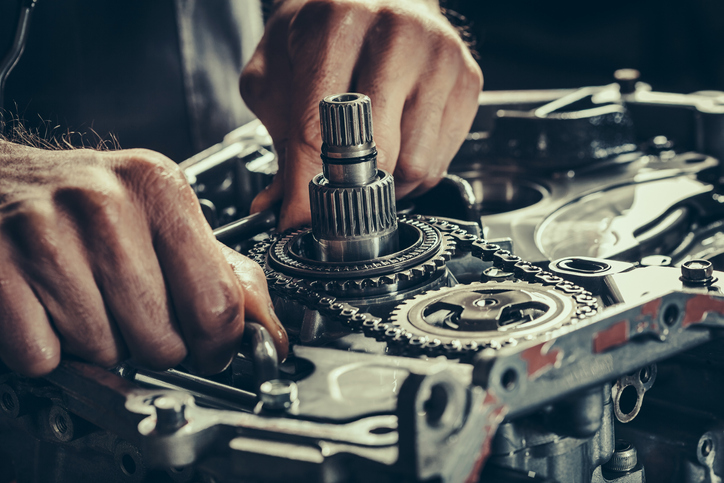
- Adjustments and inspections: Technicians may perform adjustments to the transmission, such as checking and tightening bolts and ensuring proper linkage. Regular inspections can identify potential issues before they become bigger problems.
COMMON SIGNS OF TRANSMISSION WEAR INCLUDE:
There are a lot of things your vehicle might do if the transmission is experiencing wear, but the most common signs and symptoms we see are:
- Slipping gears: The transmission unexpectedly shifts between gears while driving, causing a momentary loss of power.
- Delayed or rough shifting: Difficulty or noticeable delay when shifting gears, accompanied by a jerking or rough sensation while trying to shift.
- Unusual noises or vibrations: Strange noises such as grinding, whining, or clunking while the vehicle is in gear, or vibrations and shaking during operation can indicate transmission problems.
- Fluid leaks: Transmission fluid leaks are a clear sign of a problem. The fluid is typically red or brown, and if you notice a puddle of it under your vehicle, one of the seals may have a leak.
- Warning lights: The check engine light or a specific transmission-related warning light on the dashboard may illuminate if the transmission is experiencing issues.
- Burning smell: A burnt odor coming from the transmission fluid may indicate overheating or internal damage. Overheating can result from low fluid levels or inefficient cooling.
- Sluggish or unresponsive acceleration: Difficulty accelerating or a lack of response when pressing the gas pedal can be a sign that your transmission’s gears may be worn or stripped.
- Difficulty engaging or disengaging gears: Trouble getting the vehicle into gear or shifting out of gear may indicate issues with the transmission.
- High RPM without corresponding speed increase: An increase in engine RPM without a corresponding increase in vehicle speed can suggest slipping within the transmission.
Bring In Your Vehicle
How Much Does Transmission Maintenance Cost?
With how it improves performance and prevents repairs, regular transmission maintenance is worth every penny. That said, there’s no baseline price for transmission services. There are important factors we’ll need to take into account, like your vehicle’s make and model and whether it has an automatic or manual transmission. We’ll also have to determine whether the transmission needs to be removed or if all your system needs is a small adjustment. Many auto shops pad your bill with services you don’t need, but Milex - Mr. Transmission works hard to keep our services transparent and economical. You can rest assured that we won’t remove the whole system just to make more money.
Milex - Mr. Transmission of Cary is Cary’s choice for comprehensive transmission maintenance services. Our expert technicians know what it takes to keep your transmission in great shape! Give us a call to schedule your transmission maintenance appointment today!
DO’S & DON’TS OF TRANSMISSION MAINTENANCE
Below are a few standard tips to help you avoid future transmission damage:
- Do scheduled transmission maintenance according to vehicle owner’s manual.
- Do have transmission fluid checked when having oil changed.
- Do make sure you come to a complete stop before moving gear into another range.
- Do not drive a vehicle with low or no transmission fluid.
- Do not change gear ranges from drive to reverse when your vehicle is moving. Do not spin tires on turns with front wheel drive vehicles.
- Do not drive your vehicle when there are transmission problems, as this may cause further damage.
- Do not drag race your vehicle, as it puts unnecessary strain on your transmission.
- Do not drive in 4×4 range on dry pavement, unless vehicle is all-wheel or automatic 4×4 drive.
- Do not drive on spare tires or mismatched tire sizes with front wheel or all wheel drive vehicles for extended periods of time.


